Paving Solutions: Improve Your Property With Experienced Paving Services
Professional surfacing services offer major advantages for real estate enhancement. They not only improve aesthetics but also increase functionality. Choosing the suitable materials, such as bitumen or interlocking pavers, can promise durability and appearance. The installation process is critical for achieving long-term results. Yet, many homeowners overlook essential maintenance practices that can extend the life of their investment. Understanding these elements is essential for making informed decisions about outdoor spaces. What comes next may surprise you.
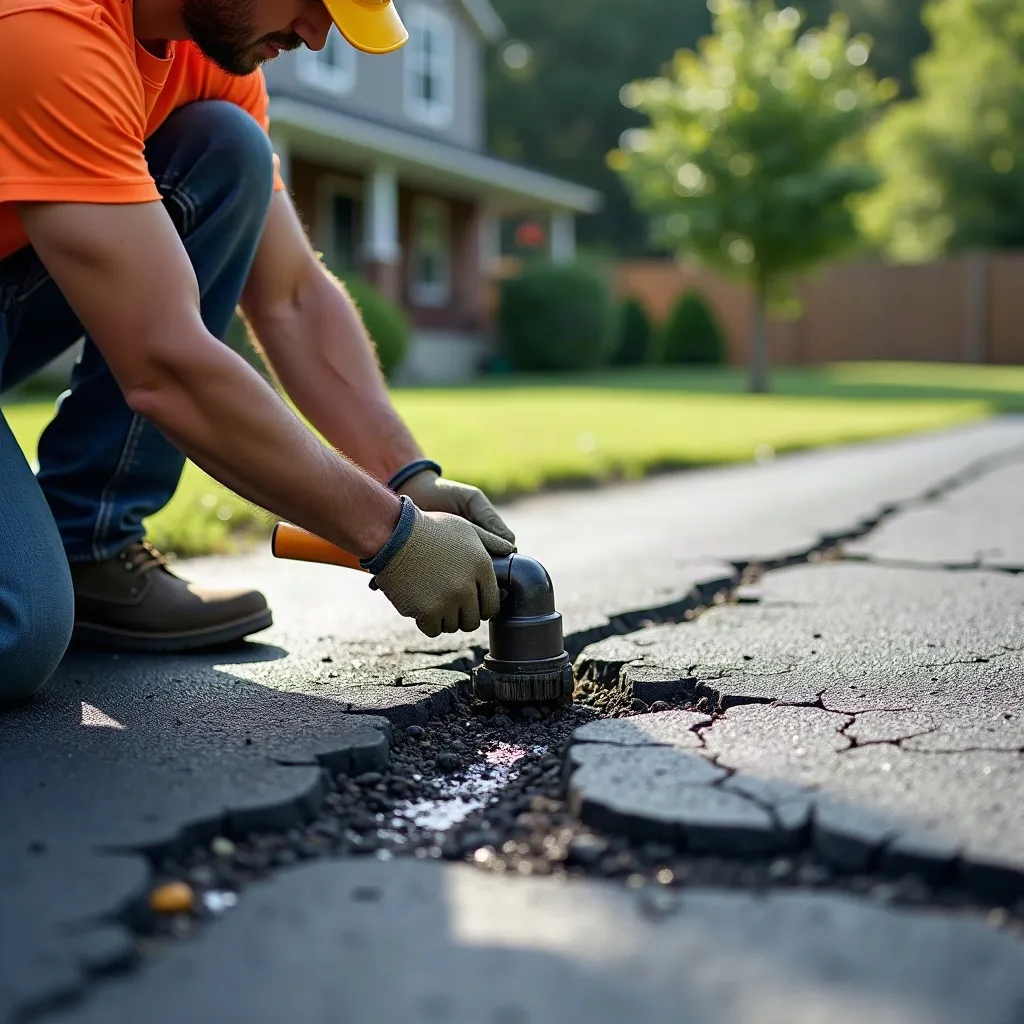
Professional Paving Solutions Boost Your Property Appeal
Professional pavement solutions transform outdoor spaces, improving both functionality and visual appeal. By employing professional methods and modern equipment, these solutions guarantee the meticulous groundwork and placement of different pavement types. This attention to detail results in sturdy, enduring outcomes that withstand wear and tear while maintaining visual appeal.
In addition, skilled pavement work improves home valuation, crafting attractive walkways, access routes, and seating areas that appeal to potential clients. A well-maintained paved area improves safety by reducing risks like uneven terrain and surplus mud, advancing a more gratifying outdoor experience.
Moreover, veteran consultants can create tailored designs appropriate for client preferences, confirming that all projects supports the property's individual identity.
Pick the Best Laying Materials for Your Project
Which strategies help property owners determine the best paving materials for their work? Getting the material correct is necessary for performance and appearance.
First, homeowners should consider the specific use of the paved area. For driveways, durable materials like asphalt or concrete are often preferred due to their durability and long-term performance. In contrast, for patios or walkways, options such as pavers or bricks can provide visual appeal and versatility.
Next, climate serves as a major role. Zones with intense precipitation may profit from permeable materials that allow for superior water management, minimizing the danger of inundation.
In addition, servicing demands should be examined; some materials require more care than others.
Finally, budget limitations will influence the selection. While excellent materials may require a larger initial expense, they commonly provide long-term financial benefits through toughness and reduced maintenance costs.
Consequently, thoughtful evaluation of these elements will guide property owners to make informed choices.
Asphalt Paving Gains
Asphalt paving emerges as a leading choice for homeowners looking for long-lasting and affordable alternatives for their driveways and walkways. One of its main benefits is its resilience; asphalt can endure heavy traffic and severe weather conditions, making it perfect for residential use.
Furthermore, asphalt is moderately priced against other paving materials, assisting homeowners to secure a excellent appearance without spending a fortune. The installation process is also rapid, frequently concluded within a day, curbing disruption to daily life.
Moreover, asphalt is hassle-free to care for, requiring just routine sealing to extend its durability. These merits make asphalt paving a smart and economical investment for enhancing property visual appeal and functionality.
Interlocking Paver Benefits
Homeowners looking at paving choices will find that interlocking pavers present notable advantages that boost both visual appeal and functional performance.
These flexible pavers come in different shapes, colors, and textures, facilitating artistic design choices that can enhance any property style. Additionally, interlocking pavers ensure exceptional durability, resisting cracking and shifting, which is particularly advantageous in regions with changing temperatures.
In addition, their unique design encourages efficient water drainage, diminishing the potential for flooding and erosion. This water-absorbing quality also bolsters environmental sustainability by allowing rainwater to refill groundwater supplies.
Finally, the ease of installation and maintenance makes interlocking pavers a sensible option, guaranteeing that property owners can appreciate their attractive pavement without demanding maintenance.
First Site Inspection
What factors impact the first site inspection for paving installation? Several important elements are involved during this essential stage. First, the topography of the land is analyzed to detect any slopes or drainage issues that could influence the paving process. Next, the existing soil conditions are reviewed, as different soil types can affect stability and durability. Additionally, site accessibility is reviewed to determine how equipment and materials will be delivered. Local regulations and zoning laws are also examined to ensure compliance. Finally, existing structures and vegetation are assessed to account for any necessary removal or protection. This thorough evaluation lays the groundwork for a successful paving project, ensuring that all potential challenges are handled from the outset.
Setup Steps Illustrated
After a extensive site inspection has been concluded, the paving laying operation can begin.
The opening phase requires site preparation, where any present materials are extracted and the ground is leveled. Subsequent to this, a base layer is positioned, generally composed of gravel or crushed stone, which supplies structural support and drainage capacity.
Then, the selected paving material—such as asphalt or concrete—is laid down. This phase requires attentive execution to confirm a smooth finish and correct alignment.
Once the paving is in place, it undergoes compaction to improve durability. Finally, curing takes place, allowing the material to harden properly.
Throughout the process, clear communication with the property owner is necessary to address any concerns and guarantee satisfaction with the final end result.
Surface Upkeep Best Practices for Long-Lasting Quality
Although asphalt areas are designed for durability, consistent upkeep is essential to guarantee their longevity. Regular checks should be performed to identify see this article cracks, potholes, or signs of wear. Prompt repairs can prevent additional deterioration and prolong the durability of the pavement.
Furthermore, keeping the surface neat is necessary; bits, leaves, and soil can hold onto moisture, leading to deterioration. Regular clearing and sporadic power washing contribute to keeping a pristine appearance and functionality.
Applying sealant every few years can protect the surface from weathering and UV damage, while also enhancing its decorative charm.
In conclusion, dealing with drainage concerns is significant. Well-designed drainage systems stop water accumulation, which can weaken the paving material over time.
How to Identify a Dependable Paving Contractor
Securing a solid paving contractor represents an essential step for property owners wanting to install or upgrade their paving surfaces. To begin, individuals should collect recommendations from contacts, household members, or area-based companies that have recently carried out paving projects. Online assessments and testimonials can also present insights into a contractor's reputation.
Once potential firms are recognized, it is essential to authenticate their credentials, with licenses and insurance. A professional expert should furnish a elaborate written estimate that presents the scope of work, materials, and timeline.
Additionally, requesting endorsements from previous clients can facilitate assessing the contractor's credibility and standard of work. It's furthermore advisable to inquire into guarantees on materials and workmanship.
In the end, promoting honest dialogue and openness during first discussions can cultivate a strong relationship built on trust, ultimately resulting in a completed paving undertaking that satisfies expectations.
Frequently Asked Questions
How much time Does a Standard Paving Project Take to Complete?
A typical paving project generally takes one to three days to complete, depending on factors such as the size of the project, complexity, climate, and preparation requirements. Effective planning can help expedite the process effectively.
Which Clearances Are Required for Paving Construction?
Generally, pavement installation needs permits including regional building permits, zoning permits, and environmental evaluations. Regulations vary depending on location, so consulting local authorities assures compliance with mandatory legal obligations for the project.
Can You Perform Paving in Winter or Monsoon-Like Weather?
Paving can be arduous during winter or rainy seasons due to temperature and moisture concerns. Cold weather can slow proper curing, while excessive rain may cause quality problems, leading to potential long-term damage. Deliberate strategizing is imperative.
What Can I Do if My Pavement Cracks?
Should pavement crack, the first step is to assess the damage. Following this, clear the area completely, seal the fissures with appropriate filler, and think about expert services to avoid further deterioration and preserve protection.
How can I confirm if my paving contractor possesses a permit?
To establish whether a paving contractor is duly licensed, you should validate credentials via local licensing boards, obtain a copy of their license, and check for insurance coverage, guaranteeing adherence to industry regulations and safety standards.